Webflow vs Optimizely
- 01Webflow is a focused visual web platform; Optimizely is a broader DXP and experimentation ecosystem.
- 02Optimizely CMS exists in distinct SaaS and PaaS models. Buyers should confirm which architecture, product edition, and connected products are actually being compared.
- 03Webflow reduces implementation and operating complexity for marketing sites. Optimizely offers a higher enterprise ceiling when the organization can fund and govern it.
- 04Optimizely does not publish standard CMS list pricing. A quote and implementation estimate are required; Webflow publishes self-serve plans and quotes Team and Enterprise separately.
- 05Do not buy an enterprise platform for capabilities you will not operationalize. Experimentation software creates value only when there is traffic, process, ownership, and decision-making around the tests.
The honest difference
Optimizely is designed for organizations that treat digital experience as a portfolio of connected capabilities. Its product family includes content management, experimentation, personalization, data, and commerce. Depending on the product and architecture, teams can work with a .NET-based CMS PaaS or a versionless, composable SaaS CMS with APIs and headless delivery.
Optimizely can support a wider digital program across product, marketing, experimentation, engineering, data, and regional teams. That broader scope can be valuable, but it brings higher integration, implementation, licensing, and governance costs.
Webflow | Optimizely | |
|---|---|---|
Product scope | Visual website platform, CMS, hosting, and optional optimization/localization products | Enterprise CMS/DXP family with experimentation, personalization, data, and commerce products |
Architecture | Managed SaaS platform | CMS PaaS and SaaS options. Composable and headless capabilities |
Primary users | Designers, marketers, content teams, front-end developers | Enterprise content, product, experimentation, engineering, and digital teams |
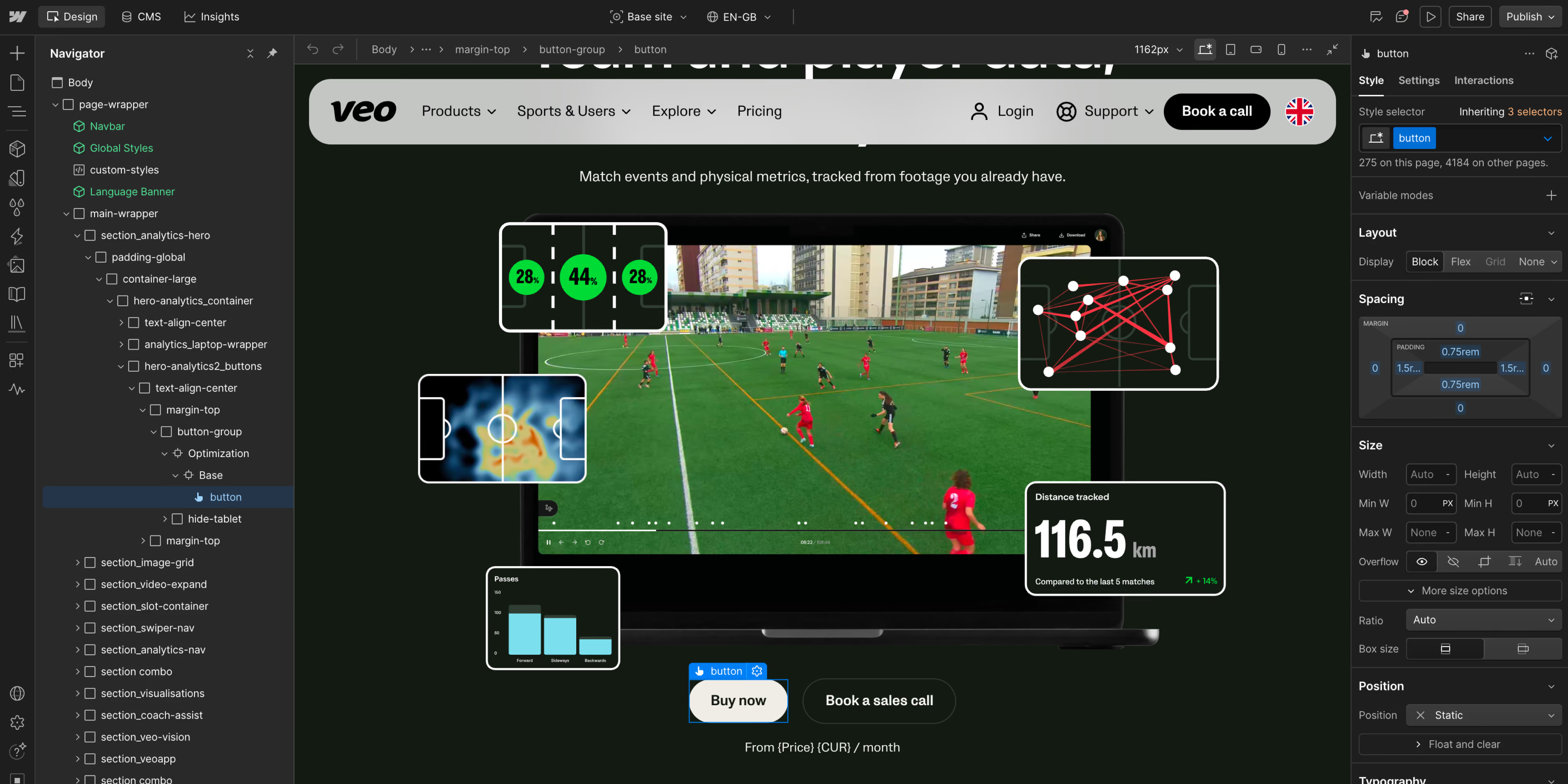
Design workflow | Native visual canvas and component system | Depends on implementation and chosen front-end architecture |
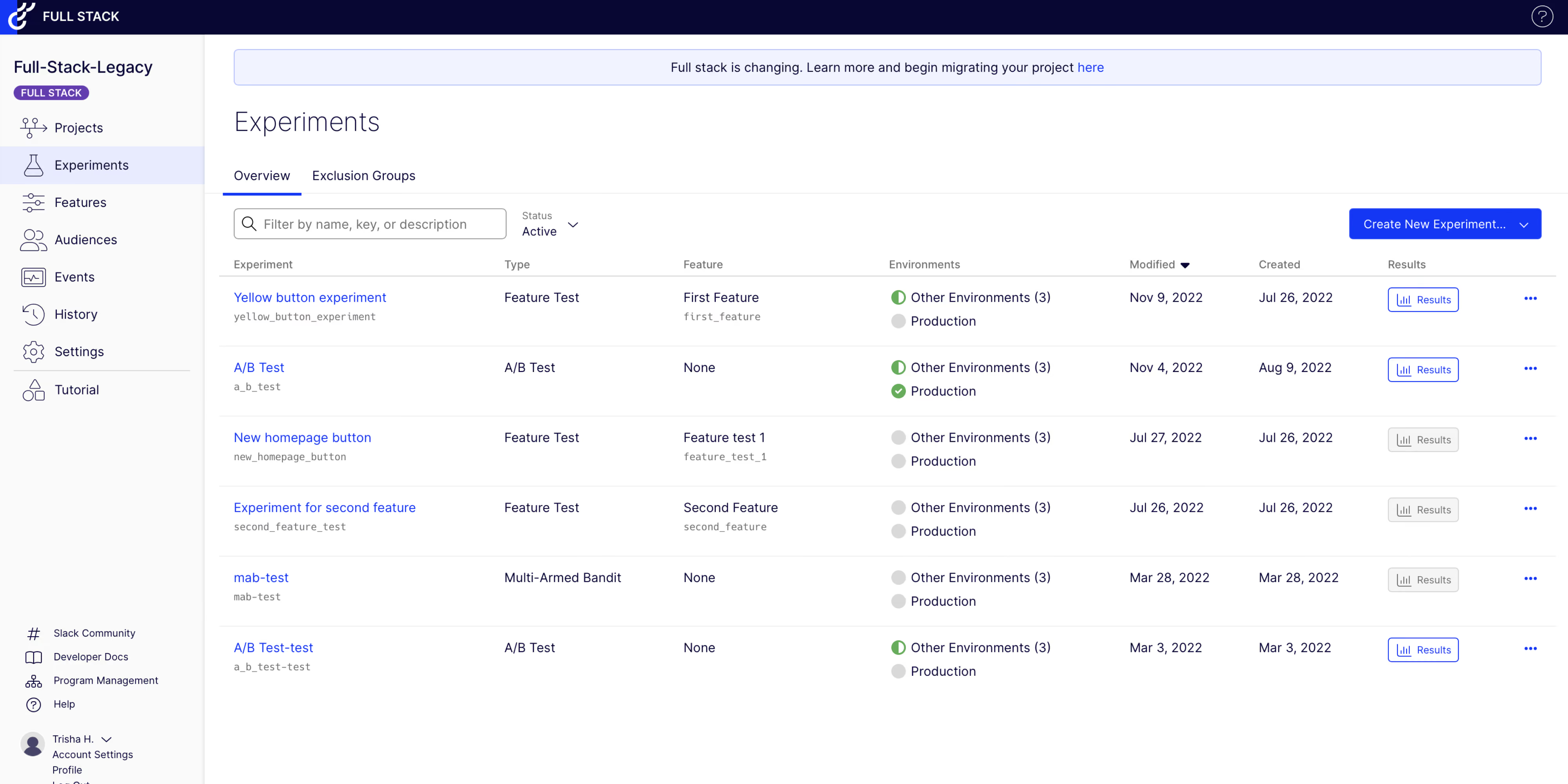
Experimentation | Available through Webflow Optimize and related products | Core strength with mature experimentation products |
Personalization | Available by product/plan and integrations | Deep capability across Optimizely’s product ecosystem |
Hosting and updates | Managed by Webflow | Managed services vary by Optimizely product and architecture |
Implementation | Often faster for a focused marketing site | Commonly a larger enterprise implementation program |
Pricing* | Public self-serve pricing plus quoted Team/Enterprise plans | Individually packaged. Request a quote |
Best fit | Marketing-led brand and content sites | Organizations running experimentation and personalized digital experiences at enterprise scale |
Where Webflow wins
Designers can work directly on the responsive experience, marketers can publish within a controlled component system, and the platform team does not need to assemble a separate hosting and front-end delivery stack.
Many scale-ups need a better brand site, cleaner CMS, stronger landing-page production, and simpler governance rather than a full DXP. Webflow lets them connect analytics, CRM, experimentation, and customer-data tools without buying every capability from one vendor. A well-implemented site can make small releases routine instead of turning campaign changes into cross-team projects.
Where Optimizely wins
Its ecosystem is designed for teams that run systematic tests, use customer or behavioral data, manage complex content delivery, and connect experience optimization with commerce or product decisions.
It also offers APIs, headless delivery, structured content across channels, and .NET-based enterprise development. The platform makes the most sense where specialist teams, governance, traffic volume, and executive commitment already exist. Without those conditions, the additional capability can become expensive shelfware.
Which should you choose?
- A marketing and design team must own the website and ship quickly
- Brand quality and front-end control are the immediate priority
- You want to assemble a best-fit marketing stack around the site
- You need enterprise governance without the scope of a full DXP program
- Experimentation and personalization are mature, funded capabilities
- Content must serve multiple channels, products, regions, or complex audiences
- You need a composable or .NET-based enterprise architecture
- Your organization can support the licensing, implementation, data, and governance model
We will help separate the capabilities your team truly needs from the ones that only make the procurement slide look impressive.