Rebranding that changes how people see you, without losing what you've built
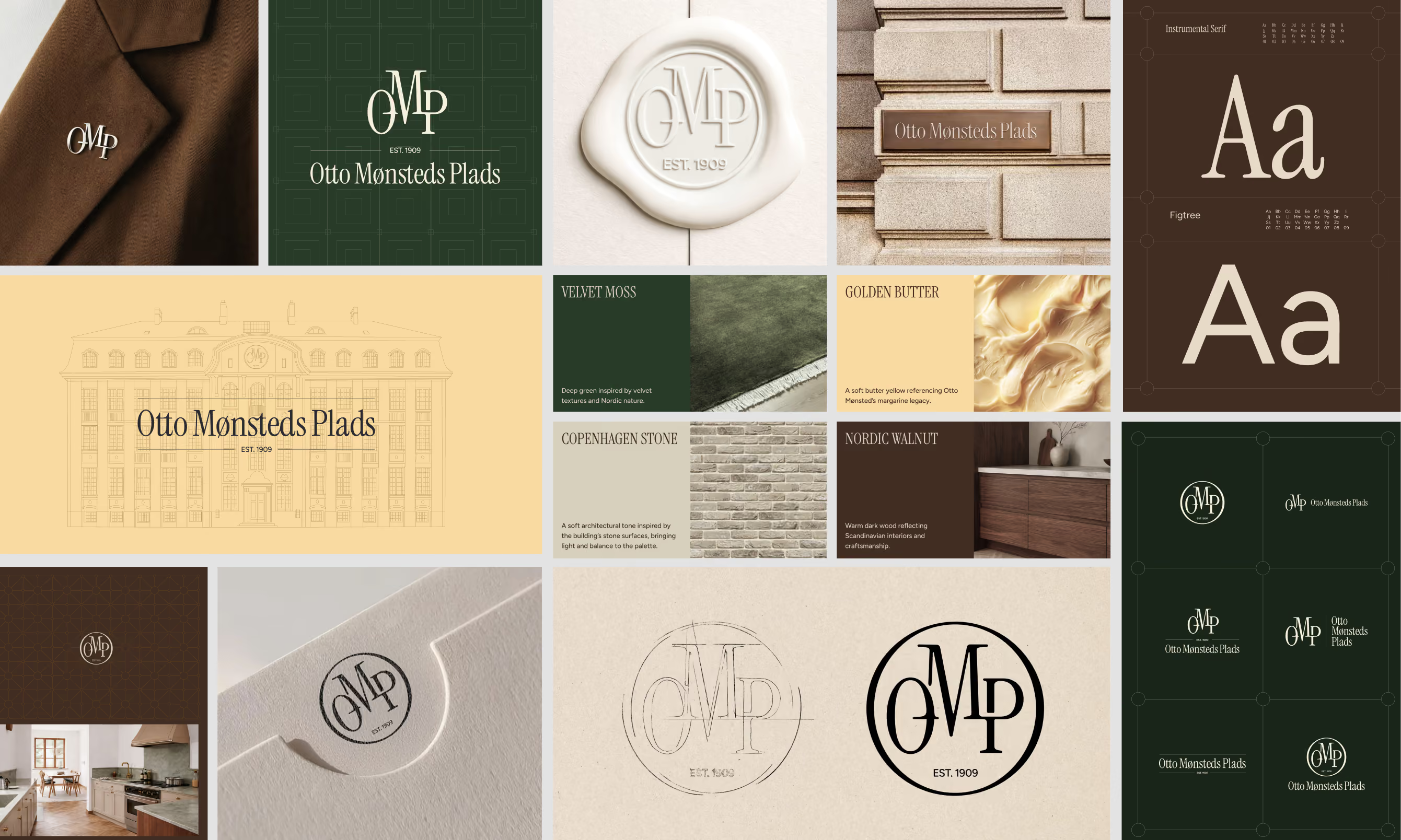
What is rebranding?
Rebranding is the process of changing the strategy, identity, and perception of an existing brand. A full rebrand can include your positioning, name, logo, visual identity, messaging, and how all of it shows up across your website and channels.
The goal isn't novelty. It's making people see and understand you the way you need them to.
It's different from a brand refresh, which we'll get to, and it's a bigger move than a new website, though the two often happen together.
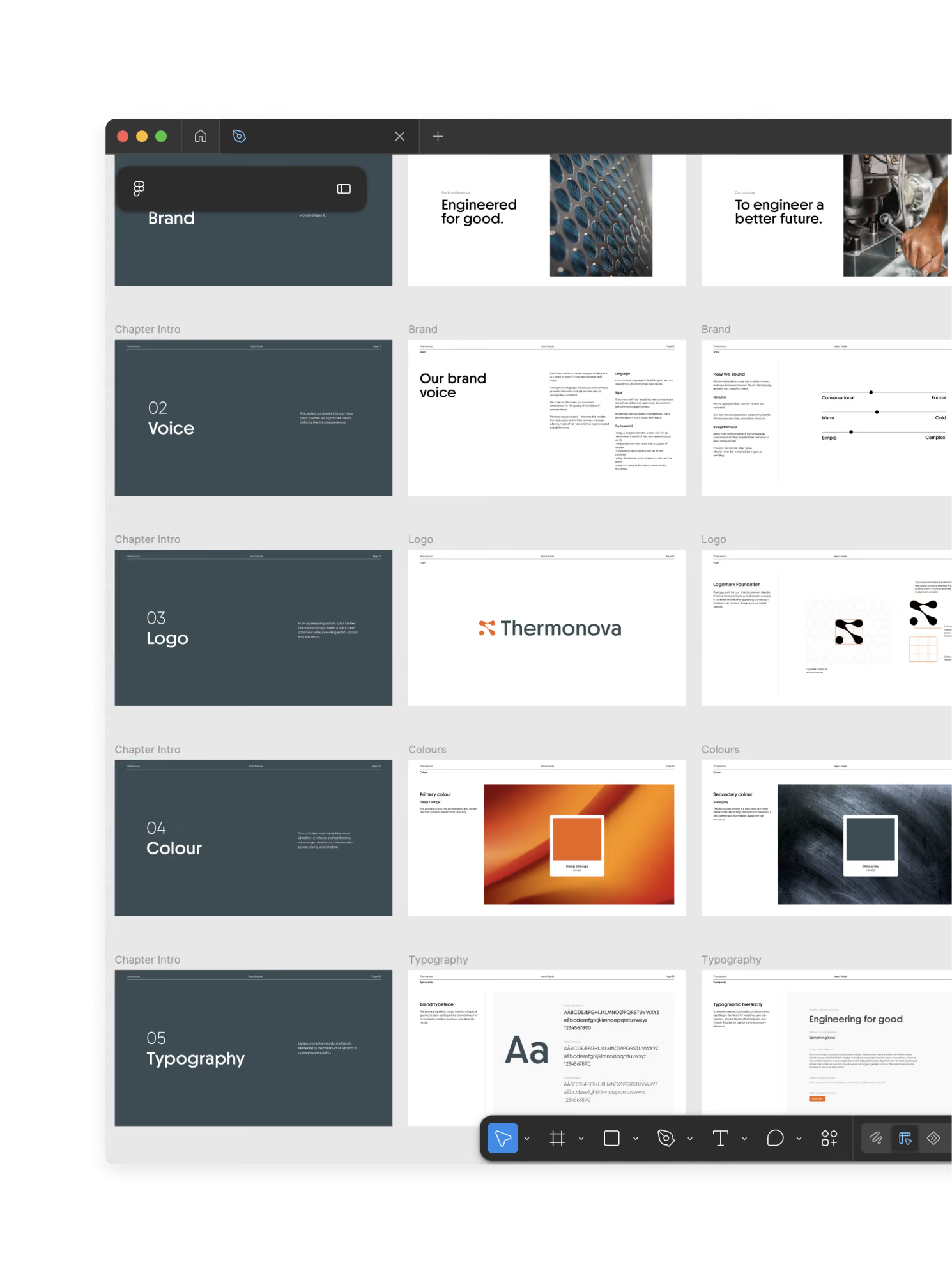
When should you rebrand?
- 01You've outgrown your brandNew audience, new offer, new direction, and the brand hasn't caught up.
- 02You blend inCompetitors look sharper, and you're hard to tell apart from them.
- 03A merger, acquisition, or name change forced the questionThe company changed on paper. The brand has to catch up in the market.
- 04You're embarrassed to send people to your own websiteIf you'd rather not show what you look like today, your customers have noticed too.
Rebrand vs brand refresh, what's the difference?
Refresh | Rebrand |
|---|---|
Updates how your brand looks. | Changes what your brand means. |
Keeps your core identity and modernizes it, with a cleaner logo, updated colors and type, and tidier guidelines. | Revisits your positioning and story, then rebuilds the identity to match. |
It's right when your positioning is still solid and you just look dated. | It's right when the problem isn't how you look. It's that people don't understand or rate you correctly. |

What's included in a rebrand
We handle the whole arc, from the audit to the rollout
- Brand auditWhat's working, what's dated and what people actually recognize, so we know what to keep before we change anything.
- RepositioningA sharper answer to who you are for and why you win now, with the messaging to match.
- RefreshThe identity evolved or rebuilt to fit the new position. Logo, color, type and system, as far as the audit says you should go.
- RolloutWebsite, templates and assets updated together, and a plan for telling customers and staff what changed and why.
- Updated guidelinesThe rules rewritten for the new brand, so your team can keep it consistent long after launch day.

Four steps, no mystery
- 01AuditWe learn the business and the market, and find the gap between how you're seen and how you need to be seen. Then we decide what's worth keeping.
- 02RepositionPositioning and story, agreed before any design starts.
- 03RefreshLogo, visual system and messaging, evolved or rebuilt and shown in context, so what you approve is what ships.
- 04RolloutWe apply it across your website and assets, and hand your team updated guidelines they can run.
A new website changes how you look online. A rebrand changes how you're understood everywhere. If your positioning and identity are still right and only the site feels dated, you need a website. If people misunderstand or undervalue who you are, the problem is the brand, and a new site alone won't fix it. Often it's both, and the rebrand should come first so the site is built on the new direction.
See how we approach web development.A refresh updates how your brand looks while keeping its core. A rebrand changes what your brand means, revisiting your positioning and rebuilding the identity to match. Refresh if only the visuals feel dated; rebrand if the strategy itself has shifted.
Read about brand identity.Yes, and most rebrands keep the name. Renaming is a separate, bigger decision we only recommend when the current name actively holds you back. You can change positioning, identity, and messaging completely while keeping the name your market already knows.
Handled well, no. The risk only appears when a rebrand involves a domain change or a website rebuild, and that risk is managed with proper redirects and content migration. We plan the rollout so rankings and recognition carry over rather than reset.
With a planned rollout and a clear story. We sequence the change so the most visible touchpoints update together, not piecemeal, and we help you tell customers what's changed and why. A rebrand that's explained reads as growth. One that appears overnight with no context is what causes confusion.
Most at the start, less as it goes. The strategy phase needs your input on the business and the decisions; design and rollout need far less of your time. We're built to carry the heavy lifting, not to hand you homework.
Rebrand first, almost always. The website is where the brand is seen most, so building a new site before settling the brand means rebuilding it twice. Get the strategy and identity right, then the site is built on the new direction from day one.
Start with brand strategy.might be a [[fit?]]
We'll give you a straight answer, even if it's not us.